
Understanding psychological triggers in gambling behavior
The Role of Emotions in Gambling
Emotions play a crucial role in gambling behavior, acting as powerful psychological triggers that can influence decision-making. When players experience feelings of excitement, anticipation, or euphoria, they may be more likely to continue gambling, seeking to replicate these emotions. For instance, a player on a winning streak might feel an adrenaline rush that encourages further risk-taking, potentially leading to overspending or addiction. Moreover, you can find more information on online gaming experiences at https://joo-casino-canada.com/. Understanding the emotional dynamics involved can help players recognize when they are being driven by feelings rather than rational thought.
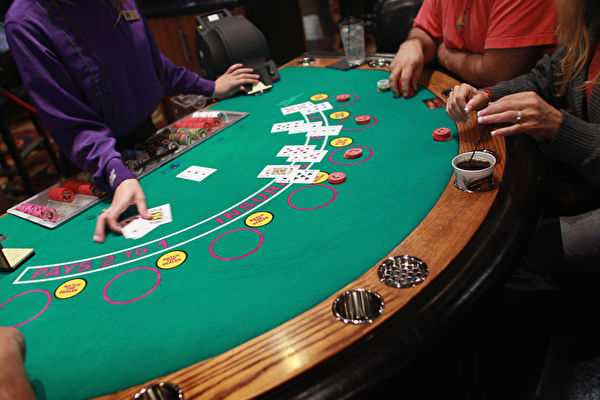
Moreover, negative emotions such as stress, anxiety, or depression can also act as triggers for gambling behavior. Individuals might turn to gambling as a means of escape, using it to temporarily alleviate feelings of discomfort or dissatisfaction in their lives. This emotional coping mechanism can create a cycle where gambling becomes a primary source of relief, further entrenching the individual in harmful habits. Identifying these emotional triggers is essential for developing healthier coping strategies and minimizing risky gambling behaviors.
Overall, the interplay between emotions and gambling highlights the importance of self-awareness and emotional regulation. By understanding how feelings can influence decisions, players can develop strategies to manage their emotions more effectively. This includes setting limits on gambling activities, seeking professional help for emotional struggles, and finding alternative outlets for emotional release. With greater awareness, players can break free from the cycle of emotional gambling.
The Influence of Cognitive Biases
Cognitive biases significantly affect gambling behavior, often leading individuals to make irrational decisions. One common bias is the illusion of control, where gamblers mistakenly believe they can influence the outcome of games that are purely based on chance. For example, a player might feel they can predict the next winning number in roulette or have a «lucky» ritual they believe enhances their odds. This cognitive distortion can lead to increased gambling frequency and larger bets, as players chase their perceived control.
Another cognitive bias prevalent in gambling is the gambler’s fallacy, where individuals assume that past outcomes will influence future results. This might manifest in the belief that if a number hasn’t appeared in a while, it is «due» to win soon. Such thinking can prompt players to keep betting on that number, leading to continued losses. Recognizing these biases can empower players to approach gambling with a more realistic mindset and make informed decisions rather than relying on flawed reasoning.
Ultimately, acknowledging cognitive biases and their influence on gambling behavior is vital for responsible gaming. By educating oneself about these biases, individuals can better navigate their gambling experiences, reducing the likelihood of impulsive decisions driven by flawed thinking. This approach can help create a healthier gambling environment, emphasizing informed choices and minimizing the risk of addiction.
The Impact of Social Environment
The social environment significantly shapes gambling behavior, influencing both participation rates and betting patterns. When individuals are surrounded by friends or family members who gamble, they are more likely to partake in similar activities. Social pressure can create a sense of normalization around gambling, making it seem like a harmless or even enjoyable pastime. For instance, gatherings at casinos or poker nights can blur the lines between casual fun and risky behavior.
Moreover, online gambling platforms often foster social interaction through features like chat rooms, leaderboards, and live dealer games. These elements can create a sense of community, encouraging players to engage more frequently and place higher bets. This social reinforcement can lead to a heightened sense of competition and excitement, potentially pushing individuals toward more reckless gambling practices. Understanding the impact of social interactions on gambling behavior is essential for recognizing external influences that may compromise personal limits.
To counteract the negative effects of social influence, individuals can seek to establish boundaries and create a support system that promotes responsible gambling. Engaging with like-minded individuals who prioritize safety and moderation can provide a balanced perspective on gambling. This supportive network can help individuals stay accountable, making it easier to resist impulsive decisions driven by social dynamics.
The Role of Advertising and Marketing
Advertising and marketing strategies employed by gambling companies significantly influence player behavior and perceptions. These promotional efforts often emphasize the thrill of winning, showcasing success stories and jackpots that can create unrealistic expectations. The portrayal of gambling as a glamorous or easy way to make money can entice individuals to participate without fully understanding the risks involved. This kind of marketing preys on the psychological triggers of hope and aspiration, drawing players into the gambling realm.
Additionally, promotional tactics such as welcome bonuses and free spins can create an enticing atmosphere that encourages new players to sign up and start gambling. While these incentives can initially appear harmless, they may lead to increased gambling frequency as individuals chase losses or aim to maximize perceived value. Over time, this can cultivate addictive behaviors, making it challenging for players to recognize when their gambling has become problematic.
Educating potential gamblers about the reality behind advertising messages is essential for fostering a culture of responsible gaming. By promoting awareness of marketing tactics and their psychological impact, individuals can develop a critical mindset when engaging with gambling promotions. This understanding can empower them to make informed choices and approach gambling with a balanced perspective, minimizing the influence of advertising on their behavior.

Promoting Responsible Gambling on Joo Casino
Joo Casino Canada prioritizes responsible gambling, ensuring players have access to resources and support for maintaining a healthy gaming experience. The platform offers a range of tools designed to help players manage their gambling habits, including deposit limits, self-exclusion options, and access to educational materials about responsible gaming practices. By emphasizing these features, Joo Casino aims to foster a safe environment that empowers players to make informed decisions.
Furthermore, the platform’s commitment to customer support extends beyond just assisting with technical issues. Dedicated representatives are available 24/7 to provide guidance on responsible gaming, ensuring that players can seek help whenever they need it. This approach reinforces the importance of a supportive community in combating the psychological triggers that can lead to problematic gambling behavior.
Overall, Joo Casino’s dedication to responsible gambling serves as a vital resource for players seeking to enjoy their gaming experience without falling prey to addictive behaviors. By combining innovative features with comprehensive support, Joo Casino stands out as a platform that values player well-being while delivering an exceptional gaming experience.